Frankie Weber · 23 September 2026
Navigating Audience Retention Dynamics When Content Platforms Undergo Backend Provider Changes
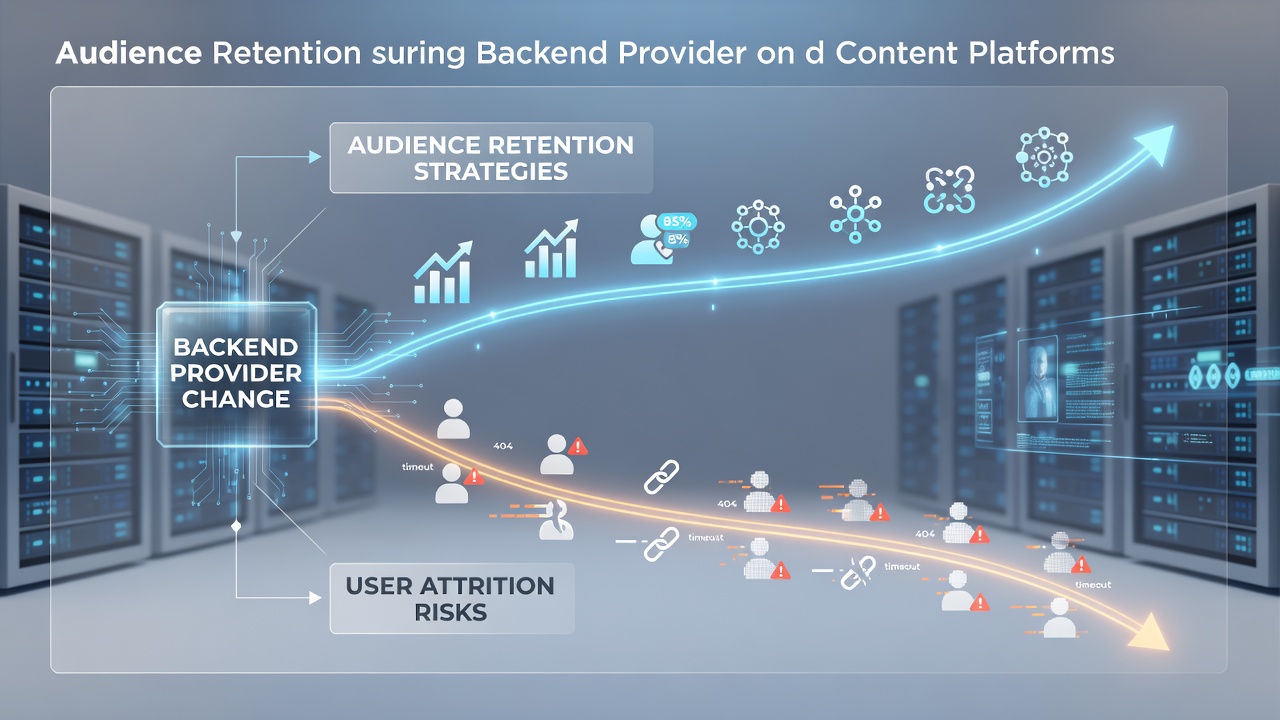
Content platforms that switch backend providers often experience measurable shifts in how audiences interact with material, and data collected across multiple services shows retention rates can fluctuate within the first weeks after migration. Researchers tracking these transitions note that technical adjustments to servers, content delivery networks, and database architectures directly influence load times, search indexing speed, and notification delivery, all of which affect whether viewers return to a site or channel. In September 2026 several mid-sized platforms completed such migrations, and publicly available analytics revealed average session durations dropped by 12 to 18 percent during the initial 30-day window before stabilizing.
Technical Factors That Shape Retention Patterns
Backend changes alter caching mechanisms, API response structures, and data routing paths, which in turn modify how quickly new content reaches subscribers and how reliably existing libraries remain accessible. Observers tracking platform performance report that even brief indexing delays can reduce organic discovery, leading to fewer impressions and therefore lower return visits. Those studying similar events have found that platforms using geographically distributed servers before a cutover sometimes lose audience segments in specific regions until new edge locations fully propagate.
Measurement Approaches Used by Analysts
Teams monitoring retention gather metrics through server logs, third-party analytics suites, and direct user surveys conducted at regular intervals. Figures from these sources indicate that bounce rates tend to rise when page-load times increase by more than 200 milliseconds, while repeat-visit percentages recover once optimization routines are applied. Experts examining data sets from multiple migrations note correlations between notification latency and unsubscribe rates, particularly among mobile users who rely on push alerts for timely updates.
Regional Differences in Audience Response
Audience behavior varies by geography because infrastructure quality and user expectations differ across markets. Data compiled by research groups shows that viewers in high-bandwidth regions recover engagement faster after backend transitions, whereas audiences in areas with variable connectivity experience prolonged dips in session frequency. A report issued by Innovation, Science and Economic Development Canada highlighted how regional latency patterns influenced content consumption habits following several documented platform upgrades in North America during 2025.
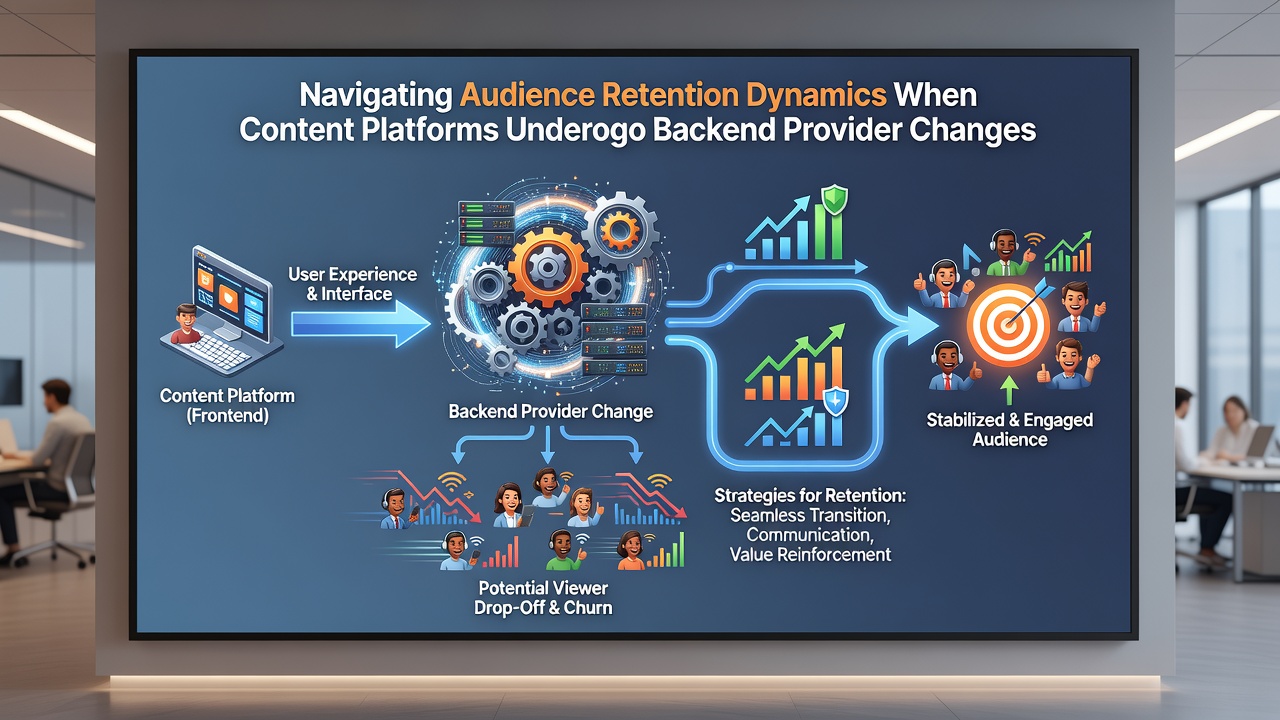
Platforms that maintain transparent communication about scheduled maintenance periods record smaller retention losses, according to comparative studies released by the European Commission's digital economy unit. Those studies tracked user activity across services that posted advance notices versus services that implemented changes without prior alerts, and the difference in 30-day retention reached as high as nine percentage points.
Recovery Strategies Observed in Practice
Recovery typically begins once new backend configurations undergo fine-tuning for content delivery speed and search engine compatibility. Analysts following these adjustments document that re-indexing efforts and updated sitemap submissions restore visibility within two to four weeks in most cases. Platforms that run parallel monitoring dashboards during this phase can identify underperforming pages quickly and deploy targeted fixes, which helps limit further audience attrition.
Long-Term Monitoring Requirements
Continued observation remains necessary because some retention effects surface only after several months. Research compiled by academic teams at the University of Melbourne indicates that seasonal content patterns can mask or exaggerate migration impacts, so multi-quarter comparisons provide clearer pictures than short-term snapshots. Analysts therefore recommend maintaining baseline data sets collected before any backend transition occurs.
Conclusion
Backend provider changes introduce variables that directly affect how audiences discover, access, and return to content, and available data sets demonstrate consistent short-term fluctuations followed by gradual stabilization when technical optimizations are applied. Observers across different regions continue to compile evidence that proactive monitoring, regional performance testing, and clear user communication reduce the duration and severity of retention dips. As platforms evolve their infrastructure, the patterns recorded in 2026 supply reference points for future transitions.