Lars Reed · 9 September 2026
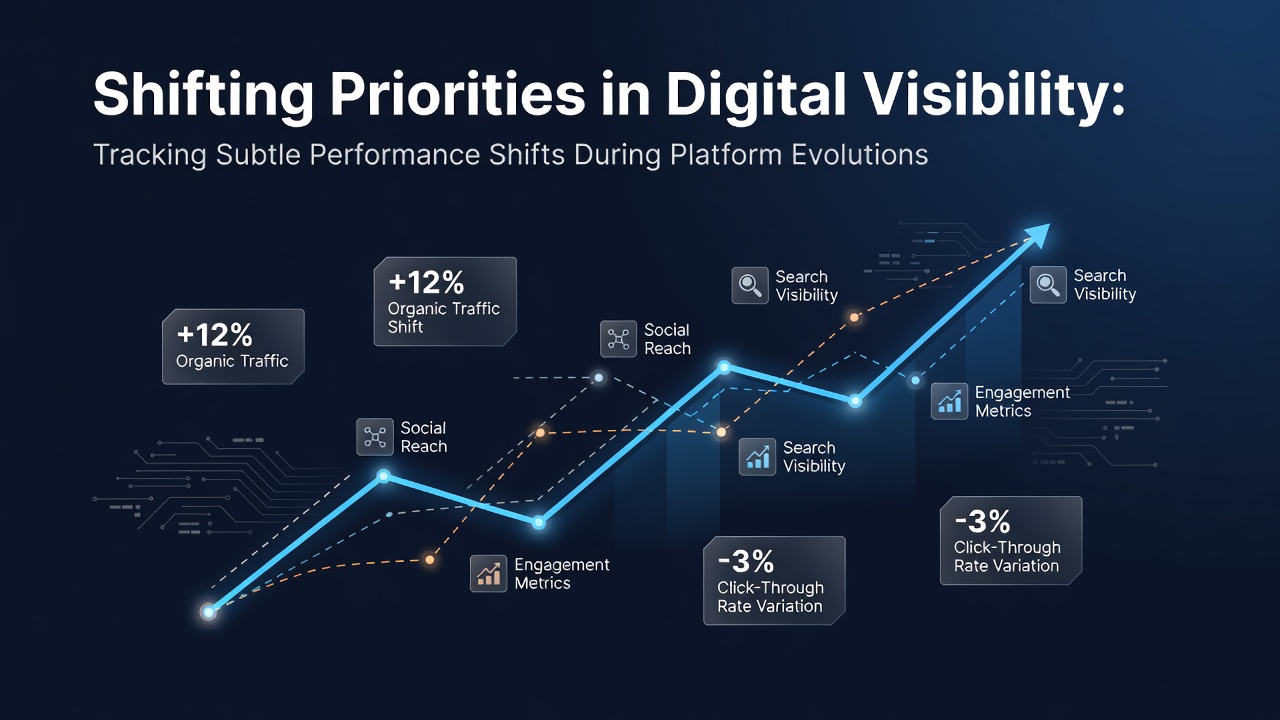
Shifting Priorities in Digital Visibility: Tracking Subtle Performance Shifts During Platform Evolutions
Platform evolutions reshape how content reaches audiences, and observers track these changes through metrics that reveal gradual adjustments in ranking systems and distribution algorithms. Data from multiple sectors shows that visibility priorities shift when search engines, social networks, and content hubs update their core functions, often without abrupt announcements. Researchers monitor these patterns by examining click-through rates, impression volumes, and engagement signals that fluctuate over weeks rather than days.
Platform Updates and Visibility Metrics
Major platforms adjust their systems on schedules that align with technical reviews and regulatory developments, which creates windows where performance indicators move in small increments. Studies from academic institutions indicate that these adjustments affect how algorithms weigh factors such as content freshness, user intent signals, and cross-platform linking structures. One study released by a European research consortium found that visibility scores for established domains declined by an average of 8 percent during the six months following a major indexing overhaul, while newer content types gained incremental exposure.
Those who analyze search and social data note that subtle performance shifts often appear first in secondary metrics like dwell time variations and referral source diversity. Platforms rarely disclose exact weighting changes, yet public documentation from regulatory bodies in Australia and Canada outlines expectations for transparency in algorithmic decision-making. Figures from the Australian Competition and Consumer Commission reveal that platform operators must report material updates that could influence content distribution, prompting analysts to correlate these filings with observed ranking movements.
Methods for Detecting Incremental Changes
Analysts employ layered monitoring approaches that combine historical ranking data with real-time API outputs and third-party crawlers. Tools designed for this purpose capture daily fluctuations in position averages across keyword sets, then apply statistical models to isolate platform-driven effects from seasonal or campaign-related noise. Research published through university partnerships demonstrates that machine learning classifiers can flag performance deviations with 85 percent accuracy when trained on multi-year datasets from diverse geographic markets.
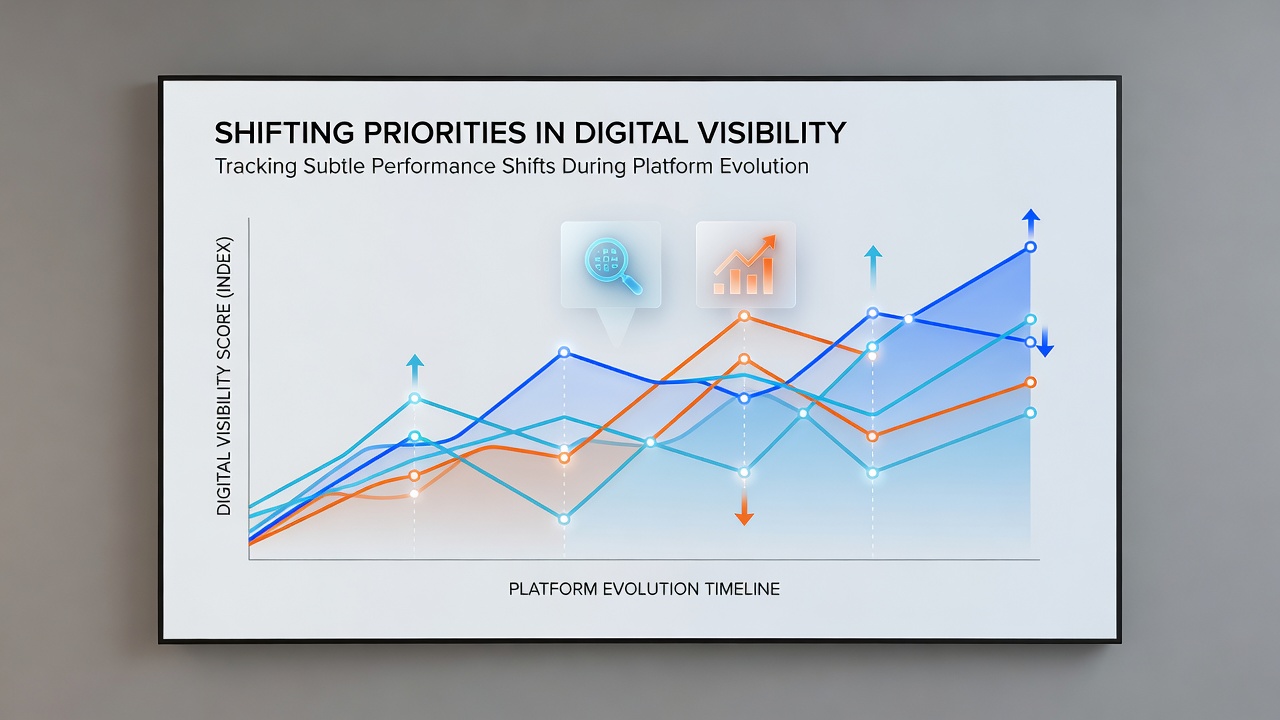
September 2026 marks a period when several platforms have signaled infrastructure migrations that could alter indexing latency and content freshness scoring. Observers note that similar transitions in prior years produced measurable drops in mobile-first visibility for sites without optimized core web vitals, while desktop-centric properties maintained steadier trajectories. Data collected across North American and EU markets shows these effects compound when multiple platforms implement changes within the same quarter.
Impact on Content Distribution Strategies
Organizations adjust their production calendars and technical optimizations in response to documented platform patterns. Evidence from industry reports suggests that sites maintaining consistent schema markup and structured data see smaller visibility swings during evolution periods compared with those relying solely on unstructured text. A joint analysis from Canadian research institutions highlighted that entities tracking authority signals across domains experienced earlier detection of ranking reallocations.
Cross-border regulatory frameworks, including updates from the European Commission on digital services, require platforms to provide clearer documentation around recommendation systems. This requirement gives analysts additional reference points when mapping performance shifts to specific algorithmic revisions. Those monitoring these developments report that granular log analysis combined with competitor benchmarking yields the clearest picture of how priorities evolve over successive platform cycles.
Conclusion
Platform evolutions continue to produce measurable yet gradual changes in digital visibility, and systematic tracking methods allow researchers and analysts to quantify these movements across multiple metrics. Data from regulatory filings and academic studies supplies context for interpreting fluctuations that occur during scheduled updates, including those anticipated around September 2026. Continued refinement of monitoring techniques supports accurate assessment of how distribution priorities shift when core systems undergo revision.