David Carter · 4 November 2026
The Role of API Ecosystem Changes in Facilitating New Content Formats for Niche Digital Publishers
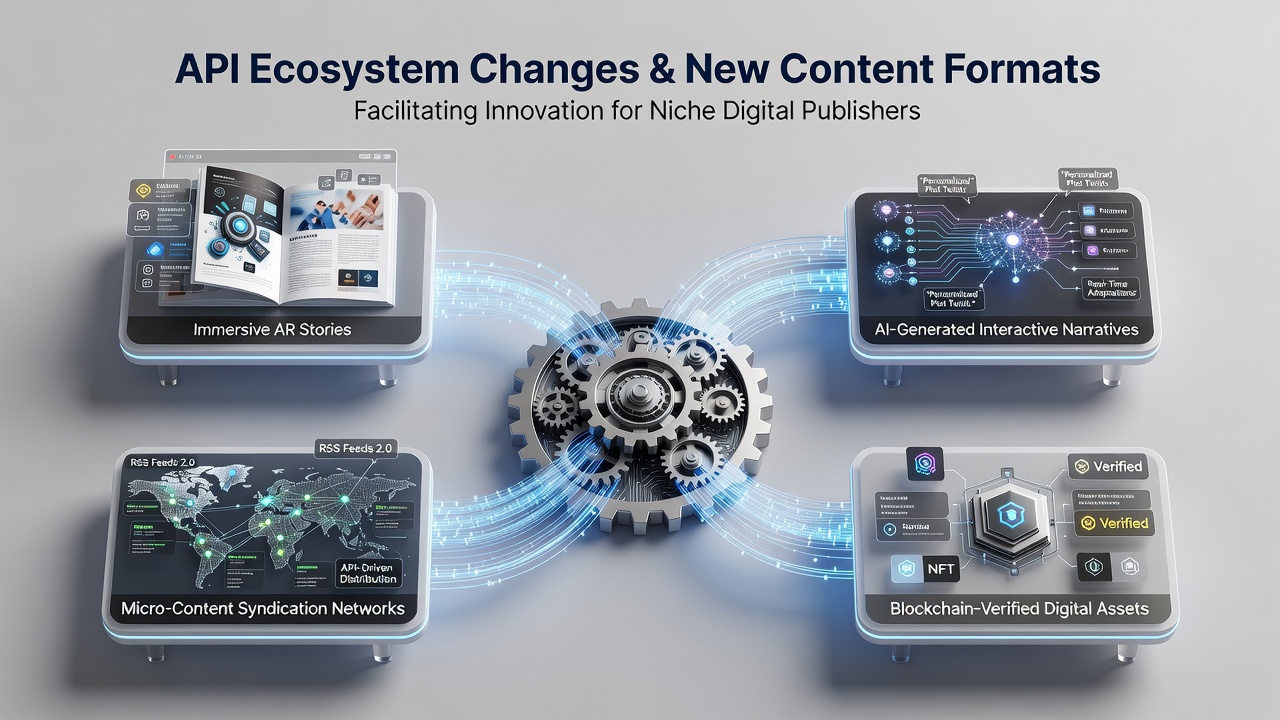
API ecosystem changes have reshaped how niche digital publishers create and distribute content, with shifts in third-party interfaces opening pathways to formats that blend text, data visualization, and interactive elements. These modifications often stem from updates by major technology providers, where access points evolve to support richer data exchanges while maintaining security protocols. Observers note that smaller outlets, which previously relied on basic syndication feeds, now integrate real-time analytics and multimedia layers through revised endpoints.
Key Drivers Behind Recent API Modifications
Platform operators adjust their APIs to accommodate growing demands for structured data and embedded functionalities, and this process accelerated after several high-profile revisions between 2023 and 2025. Research from the Canadian Radio-television and Telecommunications Commission indicates that standardized query limits and authentication methods encouraged developers to experiment with modular content blocks rather than monolithic articles. Niche publishers in specialized fields such as regional history or scientific subtopics found these adjustments particularly useful because they allowed direct pulls from public datasets without custom middleware.
Scheduled platform refinements planned for November 2026 further emphasize support for lightweight JSON responses and event-driven notifications, which reduce latency when serving audiences across multiple devices. Those who track these developments point out that the changes align with broader industry moves toward open standards documented by organizations like the World Wide Web Consortium. As a result, publishers gain tools to embed dynamic charts or audio clips that update automatically when source information changes.
Emergence of New Content Formats
Revised APIs facilitate formats that combine narrative text with live data streams, enabling niche publishers to produce pieces that feel responsive rather than static. One example appears in outlets covering environmental monitoring, where API calls pull sensor readings and render them alongside explanatory prose. Figures from academic analyses show increased adoption of such hybrid structures among independent sites that lack large engineering teams.
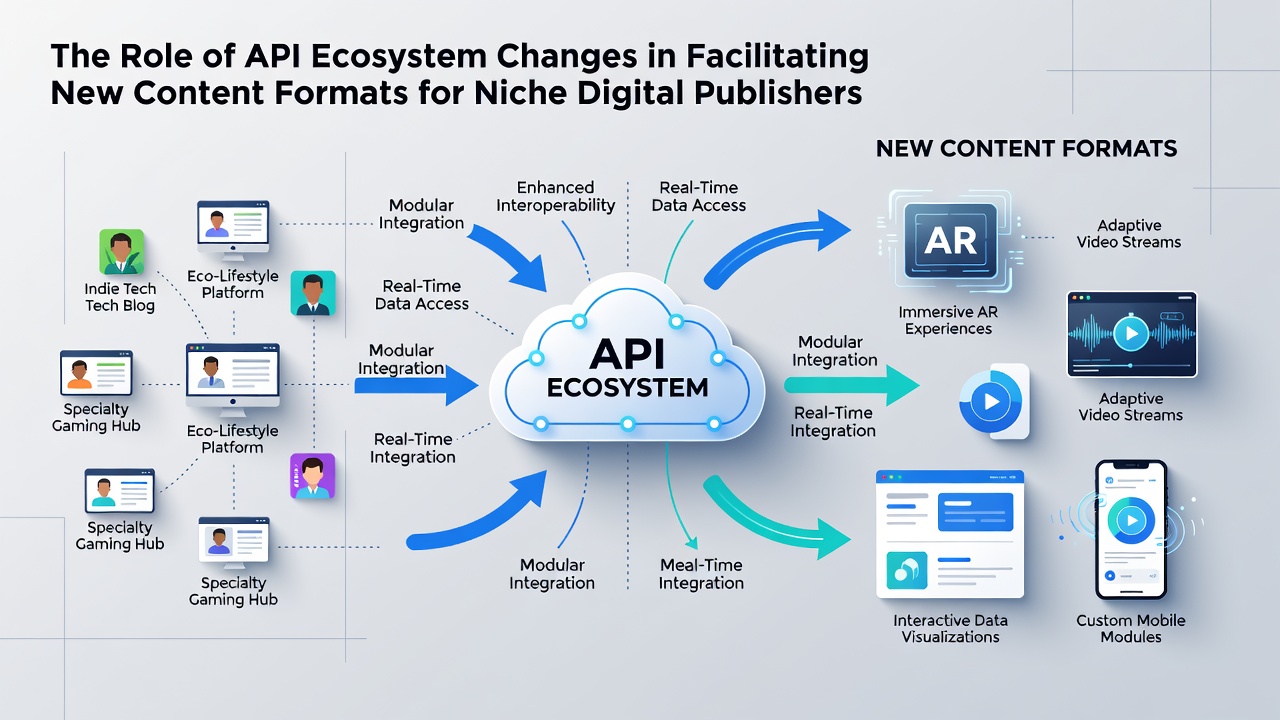
Short-form video overlays and annotated timelines represent additional formats that became practical once authentication flows simplified. Data from industry reports reveal that publishers experimenting with these elements report higher engagement metrics when the underlying APIs handle media metadata consistently. Experts have observed that the transition supports formats tailored to specific communities, such as interactive glossaries for technical trades or collaborative annotation layers for literary analysis.
Implementation Patterns Among Niche Outlets
Smaller publishers integrate new API capabilities through phased rollouts that begin with testing endpoints in controlled environments before full deployment. This approach minimizes disruptions while allowing teams to map existing content libraries to updated schema requirements. Studies conducted at European research institutions highlight how such incremental steps help maintain editorial control even as technical dependencies shift.
Case examples include regional news sites that adopted API-driven podcast transcripts synchronized with article text, creating searchable archives that appeal to both readers and researchers. The process typically involves mapping legacy RSS feeds to newer RESTful structures, which in turn supports automated tagging and cross-referencing. Observers note that these adaptations often occur alongside adjustments in content management workflows rather than complete overhauls.
Challenges and Adaptation Strategies
Rate limiting and versioning requirements introduce hurdles that niche publishers address through caching layers and fallback mechanisms. Documentation from regulatory bodies in Australia outlines best practices for monitoring API health and switching providers when compatibility issues arise. Publishers who maintain multiple integration paths find greater resilience when primary endpoints undergo deprecation cycles.
Training internal staff on new authentication standards forms another common strategy, with many outlets turning to open-source libraries that abstract away the complexities of token management. This method preserves focus on content creation while technical teams handle backend compliance. Research indicates that organizations adopting these practices sustain output levels during transition periods.
Conclusion
API ecosystem changes continue to expand the range of viable content formats available to niche digital publishers by providing more flexible data access and integration options. The developments scheduled around November 2026 build on existing trends toward modular, updateable content structures. Those monitoring the sector note that sustained attention to documentation and testing remains essential for realizing these opportunities across diverse publishing niches.